Mean PHQ-9 reduction across a 36-session course.
RunyourTMSprogramfromonecalmcommandcenter.
Sessions, prior authorizations, scheduling, billing, and PHQ-9 outcomes in a single focused platform — designed around how a TMS center actually runs.
From $199/month · $149 per chair · annual saves ~17%
Trusted by TMS practices nationwide
Built for the way a TMS center actually runs.
Not a generic EHR with TMS bolted on. Click through the workflows your day is actually made of.
Every course, session, and outcome — in one chart.
From motor threshold to PHQ-9 trends, technicians and providers work the same screen.
- Course & session tracking22 of 36 at a glance, with next-session timing and missed-session flags.
- Motor threshold mappingHotspot history, percent MT, and dose stepping baked into every protocol.
- SAINT accelerated protocol5-day, 10-sessions-per-day SAINT scheduling and dosing prebuilt.
- AI session notesDrafted from your session log + safety checklist, signed off in a click.
- Co-sign queueTechnician notes flow into a provider queue for review and signature.
- Incidents & safetySeizure precautions, syncope tracking, and templated incident reports.
What changes after switching
The numbers that come up in
every renewal conversation
Aggregated across active Polaris practices. Individual results vary by program and payer mix.
Average authorizations recovered in the first year.
Drop in no-show rate after switching to the slot board.
From CSV import to running real sessions.
The workflows your EHR quietly skips.
Epic, Athena, eClinicalWorks, Kareo, SimplePractice — none were built for a TMS course. Polaris is. Here's what that actually changes day to day.
Motor threshold mapping
- EHR
- Free-text note buried in the chart, no re-mapping reminders.
- Polaris
- Structured MT history per coil, target % MT, and automatic re-map prompts when drift or auth requires it.
Per-pulse session parameters
- EHR
- No fields for pulses, train duration, ITI, coil, or location.
- Polaris
- Every session captures pulses, frequency, train + ITI, coil type, target location, and coordinates — queryable for audits and outcomes.
Prior auth breakouts
- EHR
- One bucket of 'sessions approved' — no breakdown.
- Polaris
- Mapping + treatment + remapping split per payer auth, plus SAINT days × sessions/day, with auto-validation against approved totals.
SAINT & theta burst protocols
- EHR
- No protocol awareness — 10 sessions/day looks like 10 duplicate visits.
- Polaris
- First-class SAINT (10/day × 5d), iTBS, cTBS, Standard, and Deep TMS as care-plan modalities tied to billing and outcomes.
OCD provocation library
- EHR
- Nowhere to document BrainsWay-required symptom provocation.
- Polaris
- Per-patient provocation plan with per-session checklist, SUDS pre/post, and snapshot-preserved chart integrity.
Off-label indication gating
- EHR
- Either invisible or globally on — no consent workflow.
- Polaris
- Admin-gated catalog (AUD, autism, tinnitus, chronic pain, smoking cessation) with per-practice pricing and off-label consent.
Consumable auto-decrement
- EHR
- Caps and earplugs tracked on a spreadsheet, if at all.
- Polaris
- Cap inventory by size, NeuroStar SenStar links, earplugs — auto-deducted from on-hand when a session is completed.
Course-aware scheduling
- EHR
- Single-visit booking; no concept of a 36-session course.
- Polaris
- Chair + slot board, full-course scheduling, conflict guard, no-show flagging that impacts the course — not just the day.
Longitudinal PHQ-9 / GAD-7
- EHR
- Scores live in a flowsheet, disconnected from the TMS course.
- Polaris
- Outcome curves tied to session count and protocol, with retreatment reminders when scores rebound.
Tech-to-provider co-sign
- EHR
- Co-sign rules require an EHR build — usually skipped.
- Polaris
- Tech-authored sessions automatically queue for provider co-sign with attestation, lock state, and tamper-evident signature trail.
Machine + device awareness
- EHR
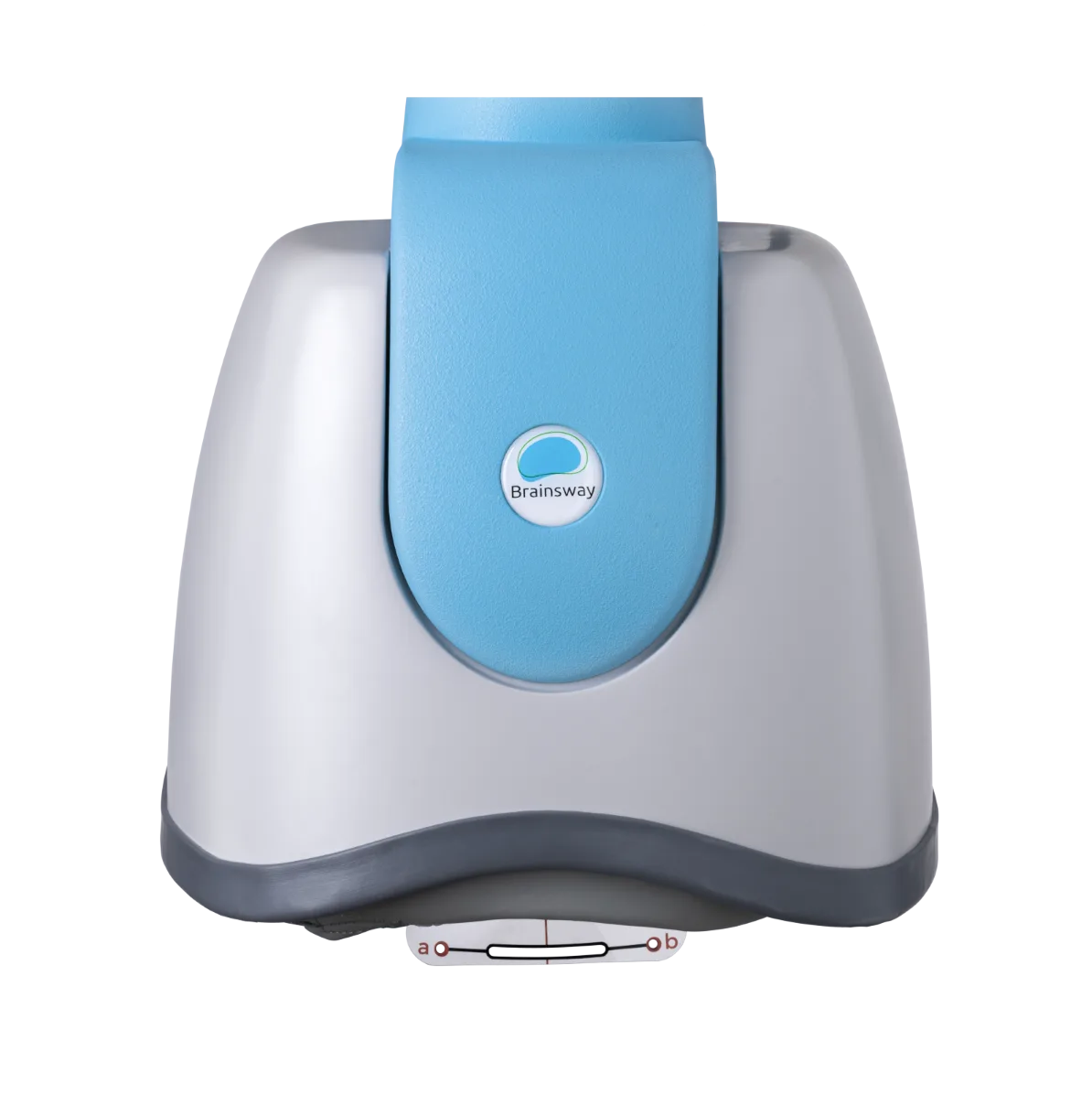
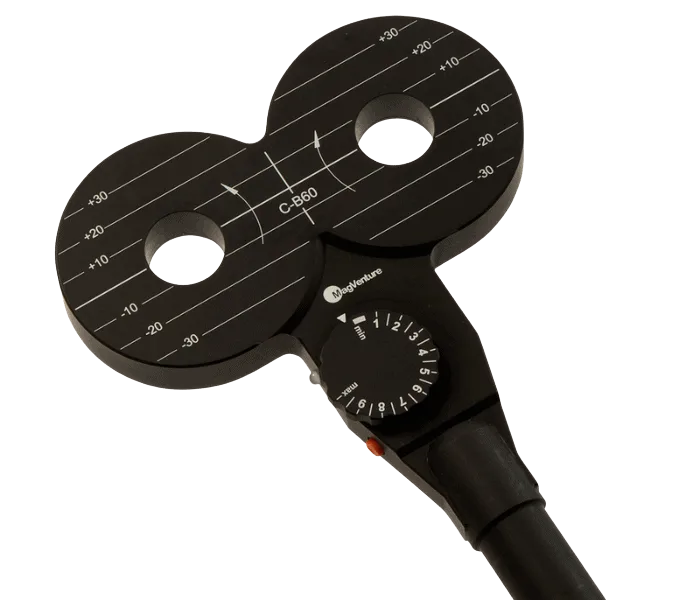
- All TMS looks the same — no BrainsWay vs NeuroStar vs MagVenture.
- Polaris
- Per-chair device, coil, consumable model, and protocol presets so the right defaults follow the right room.
TMS-specific billing
- EHR
- 90867 / 90868 / 90869 require manual logic on every claim.
- Polaris
- CPT defaults by visit type, modifier hints, ClaimMD 837P submission, and ERA posting tuned for TMS denial patterns.
Polaris runs alongside your EHR — your EHR stays the legal chart; Polaris runs the program.
Everything that ships
No tiers, no add-ons. One subscription, every capability.
Clinical excellence
Scheduling
- Chair & slot board
- Full-course scheduling
- SMS + email reminders
- No-show flagging & fees
Billing & revenue
Compliance & ops
Pay per chair. Scale as you grow.
$149 per active TMS chair with a $199 solo floor. Unlimited staff seats. Add or remove chairs anytime — changes prorate automatically.
$199 solo floor · monthly or annual
- $149 per active chair / month
- $199 floor for solo clinics
- Unlimited staff seats
- Annual prepay saves ~17% (12-for-10)
- Custom pricing for multi-location groups
Good to know.
The short answers founders ask before booking a demo — straight, no fluff.
01Does Polaris replace my EHR?
No. Polaris runs your TMS program — sessions, authorizations, scheduling, billing, and outcomes — while your EHR remains the system of record for the legal chart.
02How does billing work end-to-end?
Submit 837P claims through the built-in ClaimMD integration, auto-post 835 ERAs, manage denials in a workqueue, run A/R aging by payer, send patient statements, and charge cards on file via Stripe — all without leaving Polaris.
03Is there a free trial?
Yes — 14 days, no credit card required. Import your roster and run real sessions before you decide.
04Who built it?
Polaris is built by a practicing psychiatrist running an active TMS center — every workflow comes from real clinic days, not a generic template.
05How is PHI handled?
Polaris is HIPAA-aligned with a signed BAA, encryption at rest and in transit, granular role-based access, idle-session timeouts, and a tamper-evident PHI access log. See the Security page.
Bring your TMS program into focus.
See Polaris in your clinic's context — book a 20-minute walkthrough.